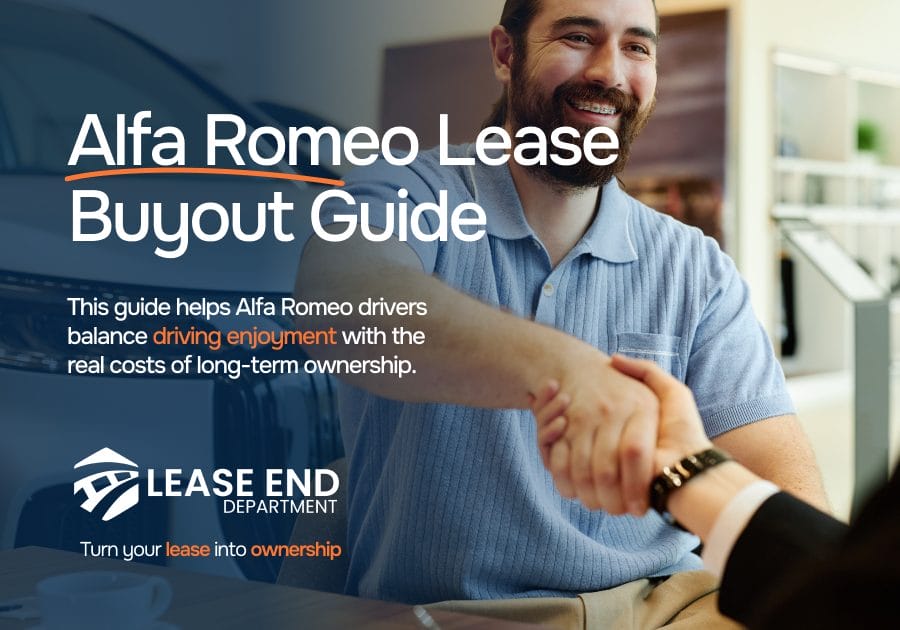
Alfa Romeo Lease Buyout: Key Takeaways
- This decision can be both emotional and financial. Many drivers genuinely enjoy the Alfa Romeo driving experience, which makes lease-end harder to evaluate purely on cost
- The buyout price is only part of the equation. Taxes, financing, maintenance, and long-term ownership costs matter too
- Owning an Alfa Romeo feels different from leasing one. Warranty coverage and future maintenance become more important after the lease ends
- The best choice balances passion and practicality. If the car still fits your lifestyle and the numbers make sense, keeping it can be worth it
Driving an Alfa Romeo is rarely just about getting from one place to another.
It’s about how the car feels when you take a corner. The way it responds. The fact that it stands out in a parking lot full of predictable choices.
That’s why the lease-end decision can feel a little different.
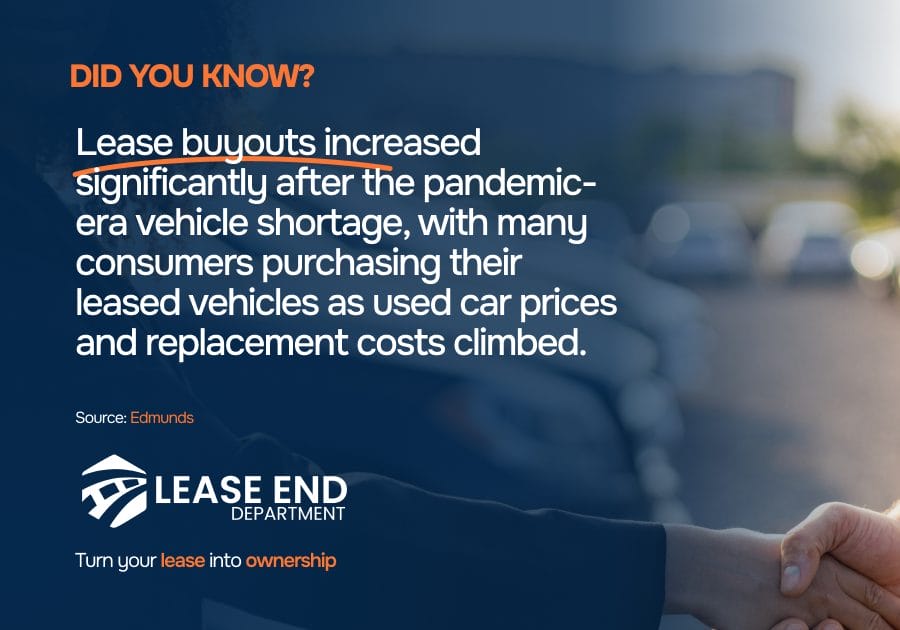
And you’re not alone in thinking about keeping it. A growing number of lessees across brands are choosing to buy out their vehicles at lease-end, especially when they already like what they’re driving and replacement costs are rising.
In this guide, we’ll cover:
- How an Alfa Romeo lease buyout really works
- What costs, fees, and ownership factors to expect
- How financing impacts your total price
- When keeping your Alfa makes sense, and when it doesn’t
- What to watch out for before making a final decision
The Alfa Romeo Lease-End Reality Check
Your initial plan may change once you start thinking beyond the monthly payment.
Up until now, your Alfa Romeo has been part of a lease. Predictable payments, limited commitment, and an easy exit.
Now it’s about deciding whether the experience you’ve had behind the wheel is something you want to turn into long-term ownership.
The Ownership Question
Leasing and owning an Alfa Romeo feel very different financially. During the lease, most major risks are predictable. Once ownership starts, drivers begin thinking about additional things.
You start thinking about:
- Long-term maintenance
- Warranty coverage
- Reliability over time
What felt simple during the lease becomes more of a commitment once the car is yours.
A Simple Way to Understand the Alfa Romeo Buyout Process
The Alfa Romeo buyout process isn’t complicated.
What matters is how you think about each step, because this isn’t just a transaction. It’s a decision about whether to keep a car that was chosen for how it feels to drive, not just what it costs.
Step 1: Get Your Lease Payoff
Everything starts with your payoff quote from Alfa Romeo Financial Services.
This number includes your residual value plus any applicable fees and, if you’re buying early, remaining payments. One detail many drivers miss is that payoff quotes are usually valid for a limited time, so if you’re comparing options, timing your request matters.
This isn’t just a number to accept. It’s the baseline you’ll evaluate everything else against.
Step 2: Compare Against Real-World Pricing
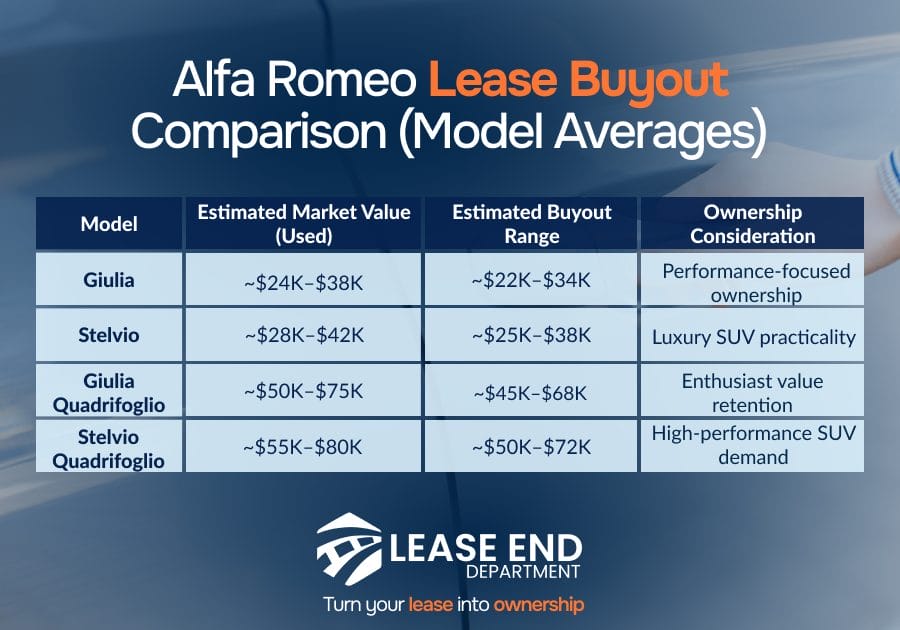
Next, you’ll want to see how that payoff compares to what similar Alfa Romeo models are actually selling for.
You can use tools like KBB or Edmunds, but with Alfa, it’s worth going a step further. Pricing can vary substantially depending on:
- Trim level and performance package
- Mileage and condition
- Local demand for that specific model
That means your car might not align perfectly with generic estimates. Looking at actual listings and dealer offers often gives a clearer picture.
Step 3: Decide Based on Use, Not Just Timing
Most guides focus on when to buy.
With Alfa Romeo, it’s more useful to focus on how you plan to use the car going forward.
Yes, you can buy at the end of the lease or earlier. But the better question is:
Are you planning to keep this car for a few more years, or just trying to make the numbers work right now?
If you see yourself keeping it, the buyout becomes more about long-term value. If not, even a “good deal” may not make sense.
Step 4: Transition From Lease to Ownership
Once you decide to move forward, the final step is straightforward.
You’ll either pay cash or finance the buyout, then complete:
- Title transfer into your name
- Registration and taxes based on your state
What changes here isn’t the process. It’s the responsibility.
You’re no longer leasing the experience. At that point, the car stops being a temporary lease and becomes a long-term ownership commitment.
The Real Cost of Keeping an Alfa Romeo
When you look at your lease buyout, the first number you see is the payoff.
But with Alfa Romeo, that’s only part of the picture.
The real cost of ownership comes from what you pay upfront and what you continue to pay after the lease is gone.
What You Pay Upfront
The initial cost of buying out your Alfa Romeo is relatively straightforward.
It includes your residual value, which is the pre-set price in your lease agreement, along with sales tax, title, and registration fees. Depending on your state, these additional costs can add a noticeable amount to the total.
For a typical example like a Giulia or Stelvio:
- Residual value: roughly $22,000–$30,000
- Taxes and fees: approximately $1,500–$3,000
That puts the total buyout cost somewhere in the mid-to-high $20K range, before financing.
What You Pay Over Time
This is where the decision becomes more nuanced.
Once you move from leasing to owning, the cost structure changes.
You’re now responsible for:
- Maintenance and service, which can be higher for performance-focused vehicles
- Insurance, which may remain elevated depending on the model and coverage
- Repairs, especially once factory warranty coverage expires
If you already feel nervous about repair costs while the car is still under lease coverage, ownership probably won’t make that anxiety disappear.
Why Alfa Romeo Buyouts Require a Different Mindset
With Alfa Romeo, a lease buyout is rarely just about getting the lowest price.
It’s about deciding whether the ownership experience is something you’re comfortable with long term.
Leasing tends to simplify things. Costs are predictable, and most major concerns are covered. Ownership is different. You take on more responsibility, and the experience becomes less structured.
That doesn’t make a buyout the wrong decision.
It just means it should be approached differently.
For some drivers, the enjoyment of driving the car outweighs the added responsibility. For others, the shift toward maintenance, repairs, and long-term cost changes the equation.
Financing, Decision Factors, and What to Watch at Lease-End
This is where everything comes together.
With an Alfa Romeo, the lease-end decision isn’t just about whether you can buy the car. It’s about whether you should, based on financing, long-term cost, and how much you value the driving experience.
How Do You Finance a Buyout Without Overpaying?
Financing can quietly become one of the most expensive parts of your decision.
You’ll typically choose between Alfa Romeo Financial Services and outside lenders like banks or credit unions. The difference isn’t just convenience. It’s cost over time.
Your payment is shaped by three core factors:
- Credit profile
- Loan term (shorter = less interest, higher monthly payment)
- Interest rate (APR)
For example:
- Loan: $25,000
- APR: 6.5%
- Term: 60 months
Monthly payment: ≈ $490
That may seem manageable, but the real question is what you’ll pay over the life of the loan.
Two similar monthly payments can hide a big difference in total interest.
That’s why comparing lenders and getting pre-approved matters more than most drivers expect.
Is This a Car You Actually Want to Keep?
This is the question that matters more than any calculation.
A buyout makes sense when the car still fits your life and you genuinely enjoy driving it. Alfa Romeo owners tend to value that connection more than most, and that’s part of the equation.
It often works in your favor when:
- You still enjoy the driving experience
- The vehicle is in good condition
- The buyout price feels reasonable compared to the market
- You’re comfortable owning it beyond the lease
Alfa Romeo tends to create a different type of lease-end decision than brands focused mostly on practicality.
When Is It Smarter to Walk Away?
There are also moments where stepping back is the better move.
If you’re already questioning long-term reliability, or if the numbers don’t line up, ownership can quickly become more stressful than rewarding.
It may be better to move on if:
- You’re concerned about maintenance or repair costs
- The buyout price is higher than similar vehicles on the market
- You want more predictable, lower-risk ownership
- You’re ready for something newer or more practical
Some drivers reach lease-end already knowing they don’t want to deal with the car outside warranty. Others feel the exact opposite because they’ve had few issues and don’t want to start over with another payment cycle.
Make the Right Call at the End of Your Alfa Romeo Lease Buyout
There’s no purely logical way to approach an Alfa Romeo lease buyout.
You’re balancing something you enjoy driving with something you have to own, maintain, and pay for over time. Some owners are willing to accept higher maintenance costs because they simply enjoy driving the car more than the alternatives they cross-shopped originally.
Taking a step back to look at your payoff, your financing options, and what ownership will actually look like can make the difference between a decision that feels right now and one that still makes sense a few years from today.
That’s where Lease End Department can help.
A lot of drivers rush through lease-end decisions because the dealership frames everything around monthly payments. Taking the time to compare the buyout price, financing terms, and replacement options usually leads to a better long-term decision.
Why drivers choose Lease End Department:
- See the full cost clearly: Payoff, taxes, and long-term ownership factors
- Compare your options side by side: Buyout vs moving on
- Find financing that fits your situation: Not just the first offer
- Avoid rushed decisions: Take control of the process
- Get support from start to finish: From evaluation to ownership
Besides Alfa Romeo, we also specialize in lease buyouts for additional popular brands, including:
- Toyota Lease Buyout
- Honda Lease Buyout
- Hyundai Lease Buyout
- Kia Lease Buyout
- Acura Lease Buyout
- Mercedes-Benz Lease Buyout
- Chrysler Lease Buyout
- Mazda Lease Buyout
- Nissan Lease Buyout
At the end of the day, this isn’t just about keeping the car.
Alfa Romeo Lease Buyout FAQs
Can you buy out an Alfa Romeo lease early?
Yes, you can buy out an Alfa Romeo lease before it ends. However, the payoff may include remaining payments and fees, so the total cost is usually higher than waiting until lease-end.
How is an Alfa Romeo lease buyout price calculated?
The buyout price is based on the residual value in your lease contract, plus any applicable fees, taxes, and remaining payments if you choose an early buyout.
Do you pay tax on an Alfa Romeo lease buyout?
In most states, yes. A lease buyout is treated as a purchase, so sales or use tax applies based on your location.
Should you buy your Alfa Romeo at lease-end?
It depends on your situation. It can make sense if the buyout price is reasonable, the car is in good condition, and you’re comfortable with long-term ownership and maintenance.
Can you finance an Alfa Romeo lease buyout?
Yes. You can finance through Alfa Romeo Financial Services, banks, credit unions, or online lenders, depending on your credit and preferences.
What interest rate can you expect on an Alfa Romeo lease buyout loan?
Rates vary, but many borrowers see around 6% to 10% APR, depending on credit score, loan term, and market conditions.
Can you negotiate an Alfa Romeo lease buyout price?
Typically, no. The residual value is set in your lease agreement. However, you can still shop for better financing and minimize overall costs.
What fees are involved in an Alfa Romeo lease buyout?
Common costs include sales tax, title and registration fees, and a purchase option fee, along with financing costs if you take out a loan.
Should I buy my Alfa Romeo lease or return it?
If you enjoy the car and the numbers make sense, buying it can be a good option. If you’re concerned about long-term costs or want something more predictable, returning it may be better.